


Natural Diamonds vs. Lab-Grown Diamonds: What’s the Real Difference?
By The Watch Aficionado — Luxury Timepieces & Fine Jewelry Experts
In the world of fine jewelry, few topics generate as much conversation as the debate between natural diamonds and lab-grown diamonds. Both sparkle brilliantly, both are composed of the same carbon structure, and both can make stunning centerpieces for rings, pendants, and heirloom jewelry.
Yet behind the brilliance lies a very different story.
At The Watch Aficionado, we believe an informed buyer is a confident buyer. Understanding the differences between these two types of diamonds can help you decide which one best aligns with your values, style, and long-term goals.
Natural Diamonds: A Billion-Year Masterpiece
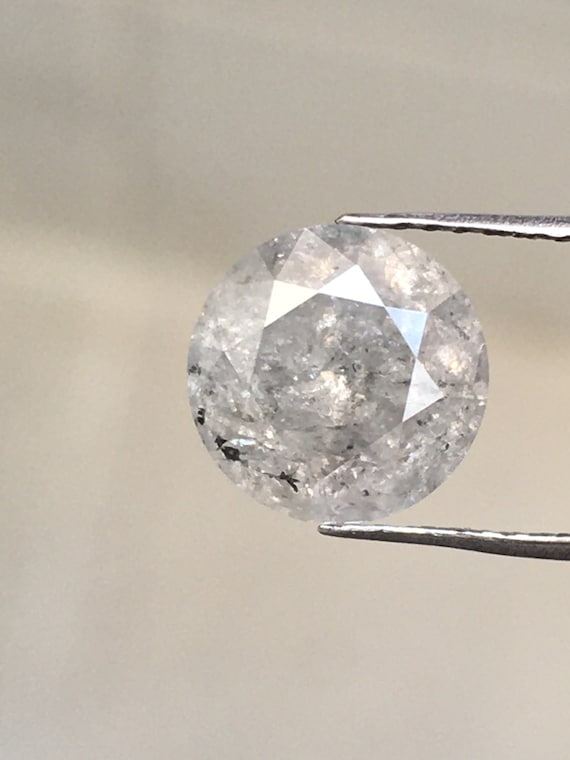

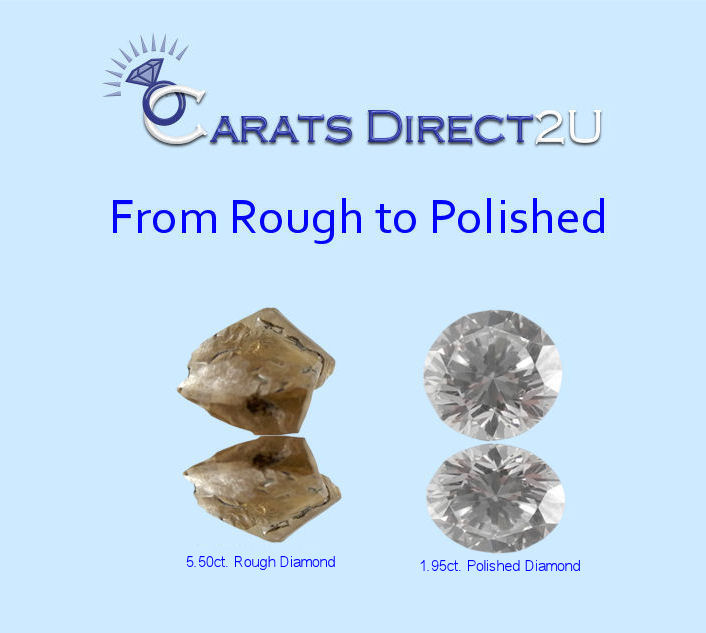
Natural diamonds are among the rarest treasures our planet produces. Formed deep beneath the Earth’s surface under intense heat and pressure, these stones take billions of years to develop.
Over time, volcanic eruptions carry them closer to the surface where they are eventually discovered, cut, and polished into the dazzling diamonds we admire today.
Why Natural Diamonds Remain the Gold Standard
Rarity
Every natural diamond is unique and limited by nature itself.
History
These stones were formed long before human civilization existed.
Long-Term Value
Natural diamonds have historically held stronger resale and heirloom value.
Emotional Significance
For many, owning something created by nature over billions of years carries unmatched meaning.
Natural diamonds represent heritage, permanence, and rarity, which is why they have symbolized love, commitment, and luxury for centuries.
Lab-Grown Diamonds: A Modern Innovation


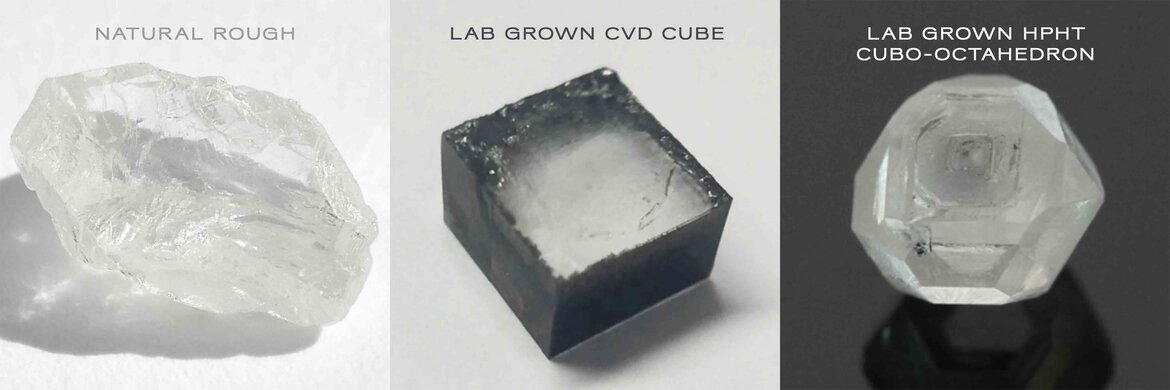
Lab-grown diamonds are created using advanced technology that replicates the natural diamond-growing environment. Through processes known as CVD (Chemical Vapor Deposition) or HPHT (High Pressure High Temperature), scientists can grow diamond crystals in a controlled laboratory setting.
Instead of billions of years, this process takes just a few weeks.
Once formed, lab-grown diamonds are cut and polished just like natural stones and can look nearly identical to the naked eye.
Advantages of Lab-Grown Diamonds
Lower Cost
Lab-grown diamonds typically cost 30–70% less than natural diamonds.
Modern Production
They appeal to buyers interested in technological innovation.
Larger Stones for the Price
Because they are less expensive, buyers can often choose a larger diamond for the same budget.
However, because lab-grown diamonds are manufactured rather than rare, they generally do not retain long-term value in the same way natural diamonds do.
Natural vs. Lab-Grown Diamonds: The Key Differences
| Feature | Natural Diamonds | Lab-Grown Diamonds |
|---|---|---|
| Origin | Formed naturally underground | Created in a laboratory |
| Time to Form | Billions of years | A few weeks |
| Rarity | Extremely rare | Manufactured |
| Price | Higher due to rarity | More affordable |
| Long-Term Value | Stronger resale potential | Typically lower resale value |
| Appearance | Brilliant and unique | Visually similar |
Both types of diamonds are real diamonds chemically, but their origins tell very different stories.
Which Diamond Should You Choose?
The choice ultimately comes down to what matters most to you.
Some buyers are drawn to the natural rarity and legacy of earth-mined diamonds. These stones often carry a deeper emotional and historical significance.
Others appreciate the affordability and accessibility of lab-grown diamonds, allowing them to enjoy a larger stone while staying within budget.
At The Watch Aficionado, we proudly offer both options because every customer’s story—and every diamond—should be unique.
Our team is always here to guide you through the differences so you can choose the stone that best reflects your values, style, and moment in time.
Experience the Difference at The Watch Aficionado
Whether you’re searching for a diamond engagement ring, a meaningful anniversary gift, or a timeless piece of fine jewelry, we invite you to visit The Watch Aficionado and explore our curated collection.
Because in the end, the beauty of a diamond isn’t just in how it sparkles—
it’s in the story it tells.
Natural Diamonds vs. Lab-Grown Diamonds: What’s the Real Difference?
By The Watch Aficionado — Luxury Timepieces & Fine Jewelry Experts
In the world of fine jewelry, few topics generate as much conversation as the debate between natural diamonds and lab-grown diamonds. Both sparkle brilliantly, both are composed of the same carbon structure, and both can make stunning centerpieces for rings, pendants, and heirloom jewelry.
Yet behind the brilliance lies a very different story.
At The Watch Aficionado, we believe an informed buyer is a confident buyer. Understanding the differences between these two types of diamonds can help you decide which one best aligns with your values, style, and long-term goals.
Natural Diamonds: A Billion-Year Masterpiece
Natural diamonds are among the rarest treasures our planet produces. Formed deep beneath the Earth’s surface under intense heat and pressure, these stones take billions of years to develop.
Over time, volcanic eruptions carry them closer to the surface where they are eventually discovered, cut, and polished into the dazzling diamonds we admire today.
Why Natural Diamonds Remain the Gold Standard
Rarity
Every natural diamond is unique and limited by nature itself.
History
These stones were formed long before human civilization existed.
Long-Term Value
Natural diamonds have historically held stronger resale and heirloom value.
Emotional Significance
For many, owning something created by nature over billions of years carries unmatched meaning.
Natural diamonds represent heritage, permanence, and rarity, which is why they have symbolized love, commitment, and luxury for centuries.
Lab-Grown Diamonds: A Modern Innovation
Lab-grown diamonds are created using advanced technology that replicates the natural diamond-growing environment. Through processes known as CVD (Chemical Vapor Deposition) or HPHT (High Pressure High Temperature), scientists can grow diamond crystals in a controlled laboratory setting.
Instead of billions of years, this process takes just a few weeks.
Once formed, lab-grown diamonds are cut and polished just like natural stones and can look nearly identical to the naked eye.
Advantages of Lab-Grown Diamonds
Lower Cost
Lab-grown diamonds typically cost 30–70% less than natural diamonds.
Modern Production
They appeal to buyers interested in technological innovation.
Larger Stones for the Price
Because they are less expensive, buyers can often choose a larger diamond for the same budget.
However, because lab-grown diamonds are manufactured rather than rare, they generally do not retain long-term value in the same way natural diamonds do.
Natural vs. Lab-Grown Diamonds: The Key Differences
| Feature | Natural Diamonds | Lab-Grown Diamonds |
|---|---|---|
| Origin | Formed naturally underground | Created in a laboratory |
| Time to Form | Billions of years | A few weeks |
| Rarity | Extremely rare | Manufactured |
| Price | Higher due to rarity | More affordable |
| Long-Term Value | Stronger resale potential | Typically lower resale value |
| Appearance | Brilliant and unique | Visually similar |
Both types of diamonds are real diamonds chemically, but their origins tell very different stories.
Which Diamond Should You Choose?
The choice ultimately comes down to what matters most to you.
Some buyers are drawn to the natural rarity and legacy of earth-mined diamonds. These stones often carry a deeper emotional and historical significance.
Others appreciate the affordability and accessibility of lab-grown diamonds, allowing them to enjoy a larger stone while staying within budget.
At The Watch Aficionado, we proudly offer both options because every customer’s story—and every diamond—should be unique.
Our team is always here to guide you through the differences so you can choose the stone that best reflects your values, style, and moment in time.
Experience the Difference at The Watch Aficionado
Whether you’re searching for a diamond engagement ring, a meaningful anniversary gift, or a timeless piece of fine jewelry, we invite you to visit The Watch Aficionado and explore our curated collection.
Because in the end, the beauty of a diamond isn’t just in how it sparkles—
it’s in the story it tells.


Share:
Top Watches That Hold Their Value (Or Increase)
A Shirt With Purpose: The Watch Aficionado Autism Awareness Collection