


Automatic vs. Quartz: Which Watch Movement Is Right for You?
After more than two decades in the luxury watch industry, one of the most common questions we hear at The Watch Aficionado is:
“What’s the difference between automatic and quartz?”
It’s a simple question—but the answer defines how you experience your watch every single day.
Choosing between automatic and quartz isn’t about which is “better.” It’s about what kind of relationship you want with your timepiece.
What Is a Quartz Watch?
Quartz watches are powered by a battery. When electricity flows through a small quartz crystal, it vibrates at a precise frequency, creating accurate timekeeping.
Why Clients Choose Quartz:
-
Extremely accurate
-
Low maintenance
-
Affordable servicing
-
Set it and forget it convenience
Quartz watches are practical. They’re reliable. They’re efficient. For someone who wants precision without interaction, quartz is often the perfect solution.
What Is an Automatic Watch?
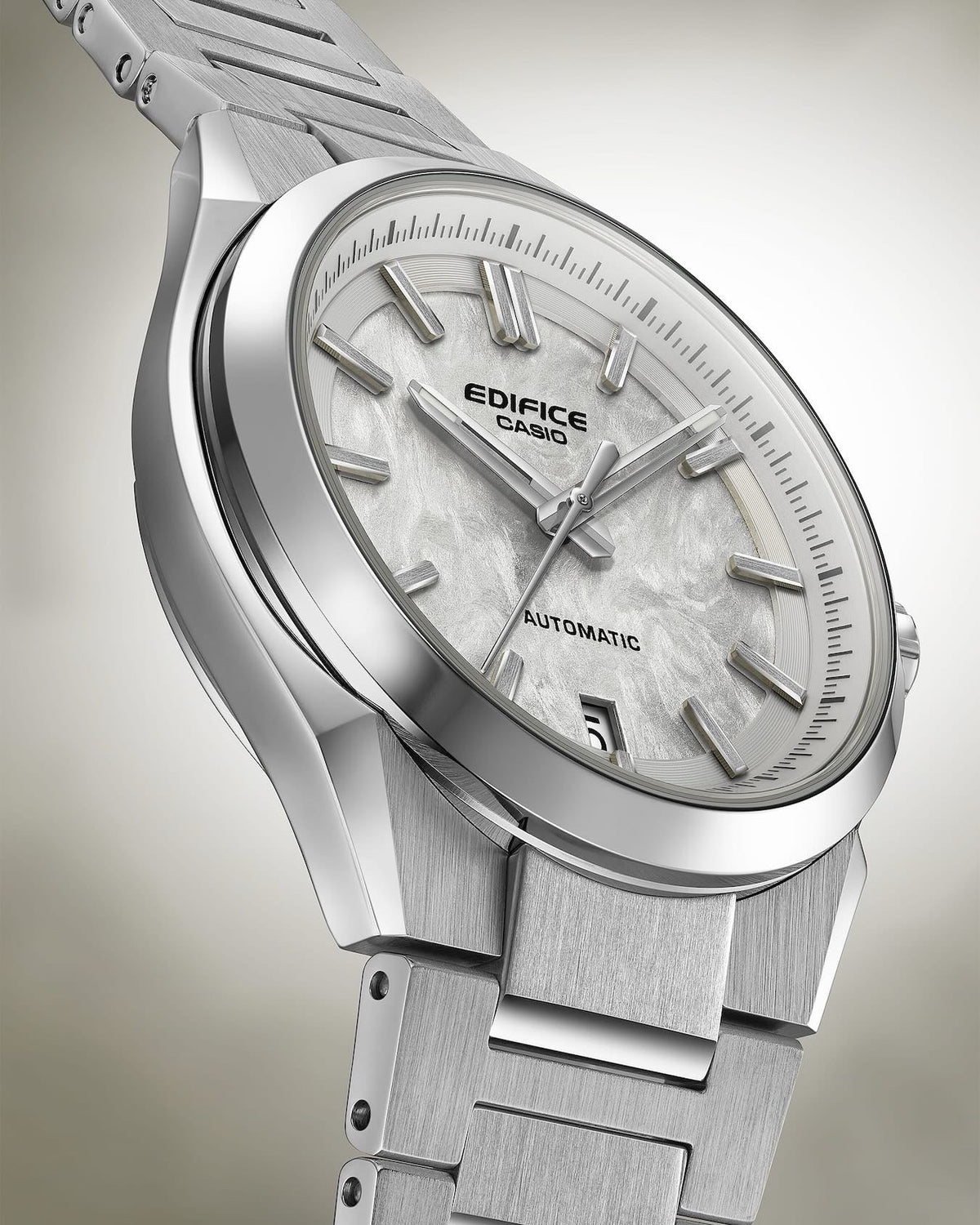
An automatic watch is powered by movement—your movement. Inside the case is a mechanical rotor that winds the mainspring as you wear it, storing energy to power the watch.
No battery. Just engineering.
Why Collectors Love Automatic:
-
Mechanical craftsmanship
-
Heritage and tradition
-
Smooth sweeping second hand
-
Emotional connection to the movement
Automatic watches represent centuries of horological innovation. They are miniature machines on your wrist—living, breathing mechanical art.
Accuracy: The Honest Comparison
If we’re speaking strictly about timekeeping precision, quartz wins. A quartz watch may deviate only seconds per month, while an automatic may vary a few seconds per day.
But here’s the reality:
Luxury watch collecting isn’t purely about accuracy. It’s about experience.
No one buys a mechanical watch because it’s the most accurate device available. If accuracy were the only factor, we’d all check our phones.
Maintenance & Longevity
Quartz watches require battery changes every few years and occasional servicing.
Automatic watches require servicing roughly every 5–7 years to maintain peak performance.
However, here’s the important distinction:
A well-maintained automatic watch can last generations. It becomes heirloom-worthy. Quartz watches, while reliable, are often viewed as more utilitarian.
The Emotional Factor
This is where the conversation changes.
When you wear an automatic watch, you’re wearing craftsmanship. Hundreds of tiny components working in harmony. Springs, gears, balance wheels—moving because you move.
There’s something deeply satisfying about that connection.
Quartz tells time.
Automatic tells a story.
So… Which Should You Choose?
At The Watch Aficionado, we guide clients toward what fits their lifestyle:
-
Want precision, convenience, and simplicity? → Quartz may be perfect.
-
Want heritage, craftsmanship, and collector appeal? → Automatic is likely your answer.
There’s no wrong choice—only the one that aligns with how you see luxury.
Our Perspective After 20 Years
In our experience, most first-time buyers start with quartz. Most enthusiasts eventually gravitate toward automatic.
Because once you understand what’s happening inside a mechanical movement, it’s hard to look at watches the same way again.
Luxury isn’t just about keeping time.
It’s about appreciating how it’s kept.


Share:
Watch of the Week: Pre-Owned Tudor Black Bay GMT
Watches. Whiskey. Cigars. An Evening of Refined Taste.